Ana içeriğe atla

Cookies incorporated with black seed (Nigella sativa) oil

Abstract


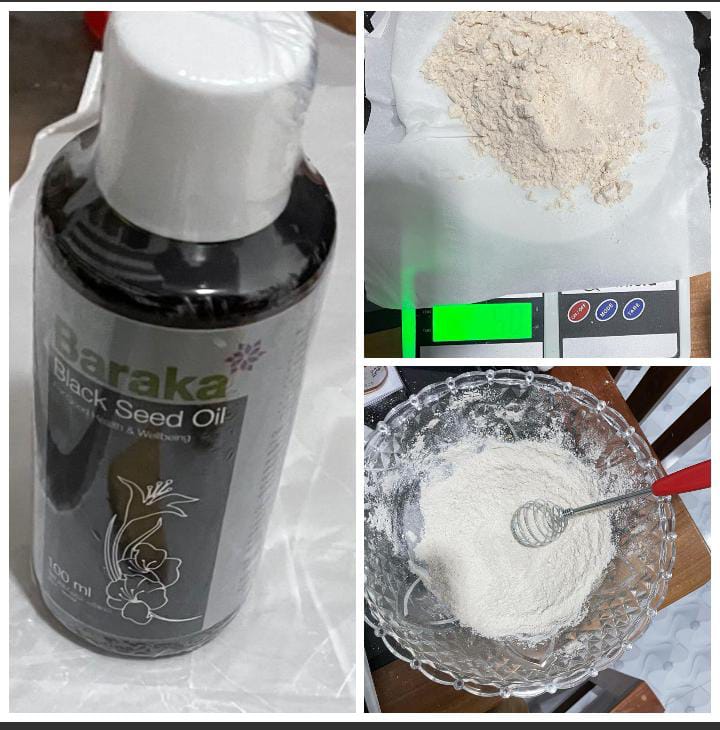
This research aimed at developing and analyzing the physicians chemical and sensory properties of cookies incorporated with black seed (Nigella sativa) oil. Black seed oil is a rich source of polyunsaturated fatty acids, tocopherol and bio active molecules.
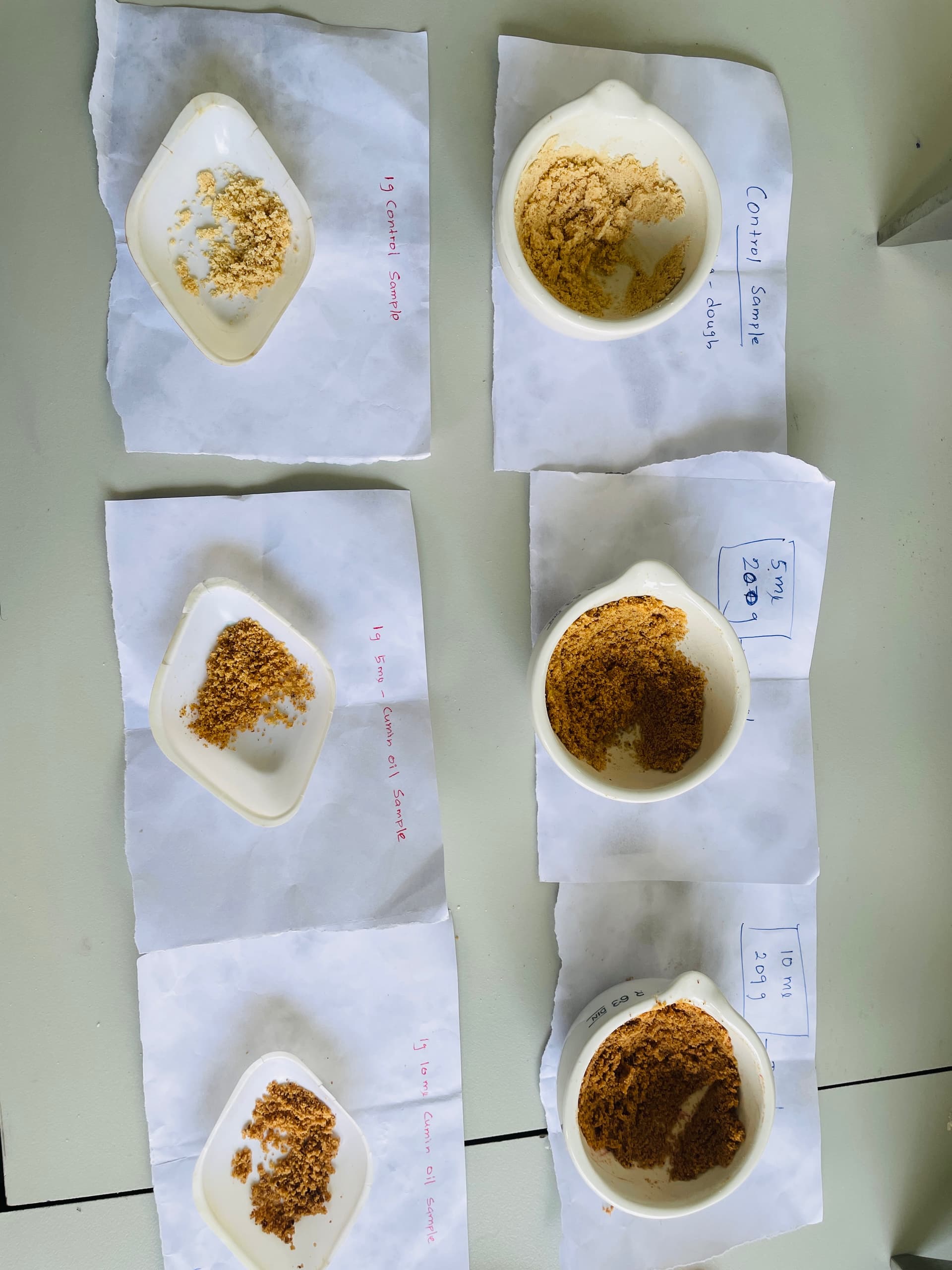
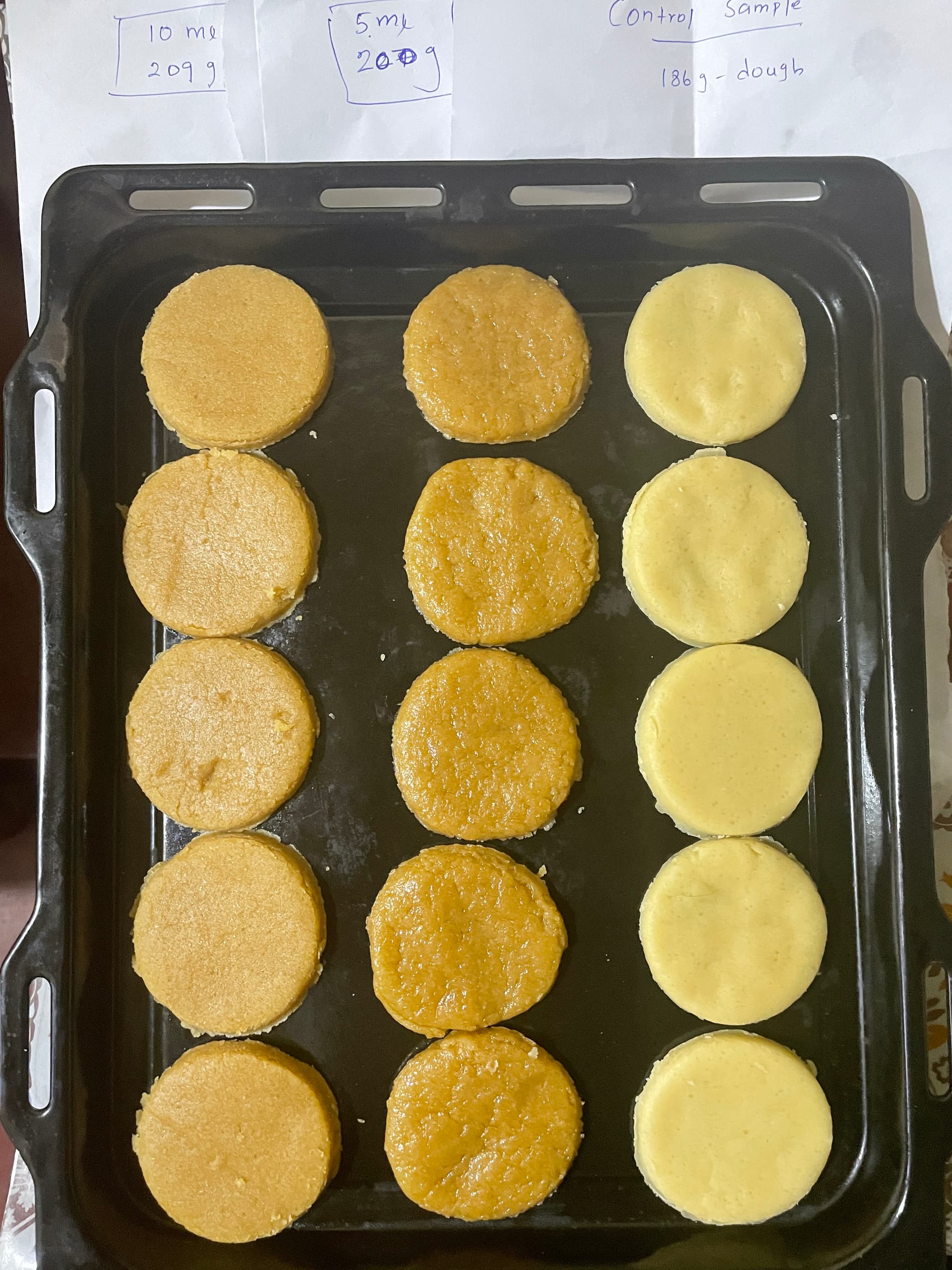
The method involved a four formulation design that generate 5 ml, 10 ml, 15 ml, and 20 ml black seed oil with whey protein powder used for cookies along with whole wheat flour.
Sensory attributes and overall acceptability were measured separately using thirty in trained panelists with five point hedonic scale and selected the best formula with higher consumer acceptance. Quality attributes of selected sample was evaluated by conducting proximate analysis (Moisture %, crude fat %, crude protein %, Ash % and Sugar content)
and microbial analysis. cookie incorporated with black seed (Nigella sativa) oil ( T1-233) acquired the highest sensory acceptance.
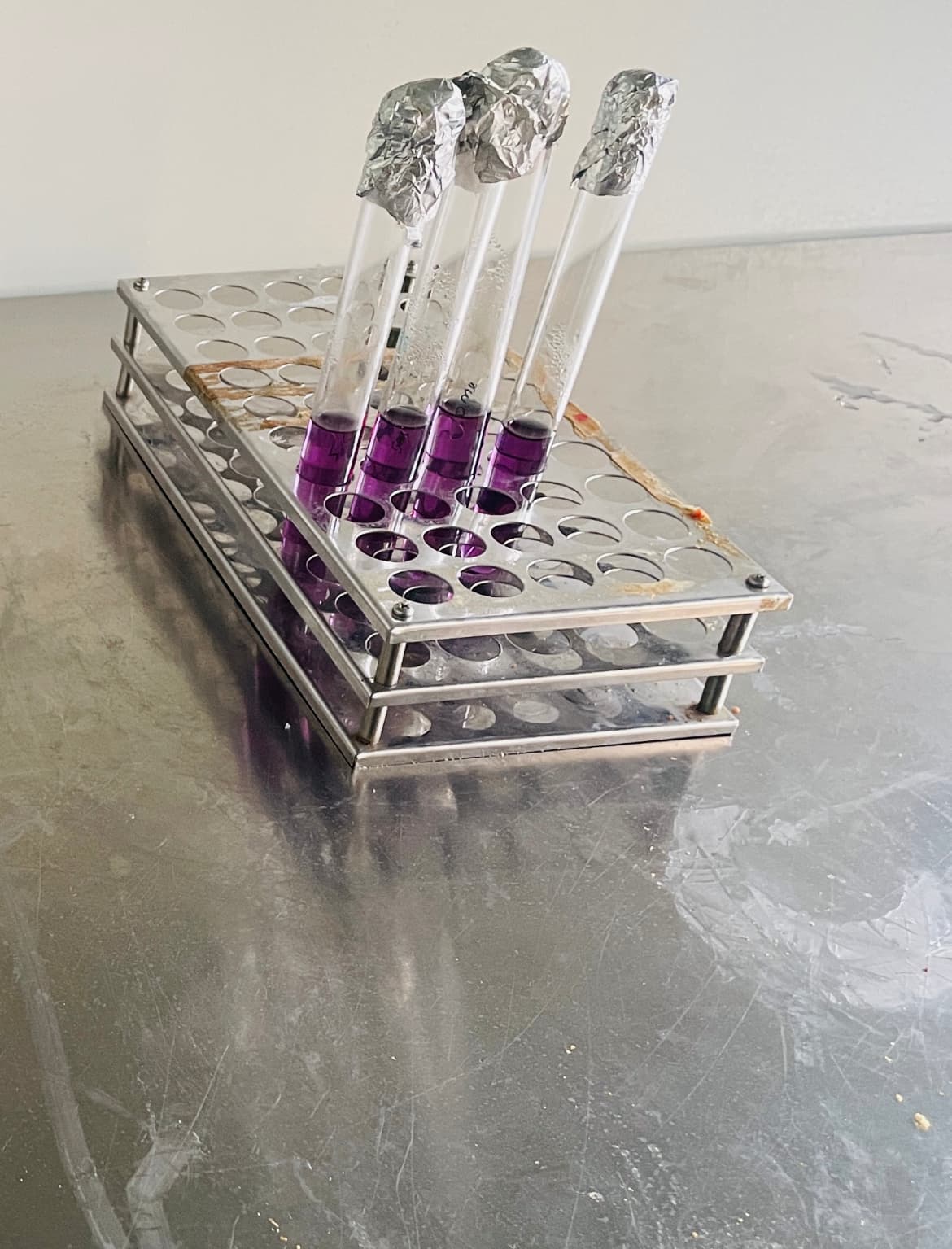
Proximate analysis carried out according to the AOAC procedures revealed that the crude fat content 19.14 ± 0.04, crude protein content 8.75 ± 0.03, moisture content 3.19 ± 0.02, Ash content 1.91 ± 0.01, and sugar content 9.10 ± 0.01 were in the acceptable limits. The yeast & mold and TPC were no detected in T1-233 cookie sample. It can be concluded that, cookie incorporated with 5 ml black seed oil ( T1-233) were maintained best sensory attributes and proximate parameters in 3 weeks of storage life without adding any artificial preservatives.

1 post - 1 participant

Read full topic

Yorumlar

Bu blogdaki popüler yayınlar

GAB Equation | Moisture Sorption Isotherm Modeling

Get to know how to use the Guggenheim-Anderson-de Boer (GAB) Equation for modeling of moisture sorption isotherms! The GAB Equation is suitable for modeling many food materials in a wide water activity range. Unlike BET, the workable range for the GAB model is from zero to 0.9. This is recommended by the European Project Group COST90 for the mathematical estimation of moisture content. I personally studied this lesson in my graduate class and I had a hard time learning this. I created this video so that you can easily learn how to calculate this equation. We’ll have a sample computation in this video. I’ve included the .xlsx file that I used in this video so that you can also learn this quickly. 3 posts - 2 participants Read full topic https://fstdesk.com/t/gab-equation-moisture-sorption-isotherm-modeling/4568

Phytochemistry of guava fruit

Guava ( Psidium guajava ) Fruit Phytochemistry and Nutritional Significance Economic Importance The fruit of guava is very rich in Vitamin C, which is substantially higher than what is found in citrus. It is also a good source of Vitamin A and other important elements. The fruit contains a large amount of citric, lactic, malic, oxalic and acetic acids and a trace amount of formic acid. The ripe fruit is usually eaten as a dessert. It can also be utilized in many ways for making jellies, jam, paste, juice, baby foods, puree, beverage base, syrup, wine and other processed products. It may be eaten sliced with cream and sugar and as ingredient in cakes and pies. It is also used in dishes like “sinigang”. Some parts of guava tree have medicinal and commercial usefulness. The bark and leaves are used in childbirth to expel the placenta. The leaves can be made into tea and astringent decoction can cure stomachache and act as vermifuge. When crushed or chewed, it is used for toothache t...